
Evaluación dental completa para nuevos pacientes por tan sólo $99.
Evaluación dental completa para nuevos pacientes por tan sólo $99.
Published on Jan 24, 2026 | 8 minute read
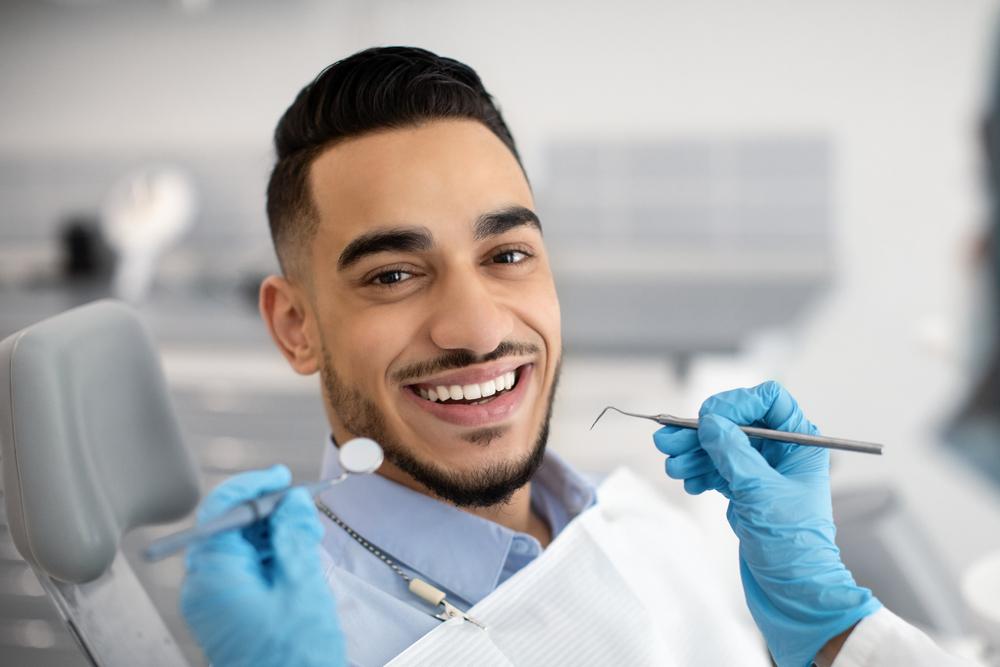
A cracked molar. A tooth that’s been patched several times. A lingering ache when you chew something cold. These are the kinds of problems a dental crown is designed to solve. A crown covers the visible portion of a tooth like a protective shell, restoring strength, function, and appearance. Because today’s crowns are crafted from advanced ceramics, the result can be both durable and remarkably lifelike—so your restored tooth looks like it’s always been part of your smile.
Crowns are used for more than “broken teeth.” In everyday practice, they help with a range of issues:
Because a crown redistributes chewing forces across the entire tooth, it’s a smart, long-term way to prevent a minor problem from becoming an urgent one.
Today’s most popular crown materials are EMAX (lithium disilicate) and Zirconia. Each shines in different scenarios, and many smiles benefit from using both—EMAX where esthetics matter most and Zirconia where pure strength is needed.
Your dentist will weigh bite forces, tooth position, remaining tooth structure, and your esthetic goals to recommend the best option. Occasionally, a hybrid approach is ideal—EMAX for visible teeth and Zirconia for heavy-duty molars.
Although the details vary by case, here’s what a typical crown experience includes:
If a tooth is non-restorable or has already been removed, a dental implant may be the best route. After the implant is placed and integrated with the bone, we connect an abutment and a custom ceramic crown. Because an implant stands independently, it doesn’t rely on neighboring teeth, and it helps preserve bone volume in the area. For patients who want a fixed, long-term solution, the implant-crown combo often offers the most natural chewing feel.
Crowns are completed with local anesthesia, so you should feel pressure and vibration—not pain. Mild sensitivity to temperature or chewing can occur for a few days while tissues settle. Most patients resume normal activities the same day. If you’re anxious about dental procedures, let us know; we can pace appointments and use comfort techniques that make the experience feel easy.
Crowns are strong, but good habits keep them that way:
With consistent care, ceramic crowns routinely serve well for 10–15 years or longer.
In some cases, an onlay (also called a partial crown) can replace only the damaged portion of a tooth while preserving more natural enamel. Onlays are bonded ceramics that cover one or more cusps. If your fracture or decay is limited, we’ll consider this more conservative option; however, when cracks extend or multiple cusps are compromised, a full-coverage crown is the more predictable, long-term choice.
Will my crown look different from my other teeth?
Not if it’s designed thoughtfully. We match shade, translucency, and surface texture so the crown blends in naturally.
Can I whiten my crown later?
Whitening gels don’t change ceramic. If you plan to whiten, it’s best to do so before final shade selection.
What if my tooth hurts after the crown?
Brief sensitivity is normal. If pain lingers or worsens, call—sometimes a minor bite adjustment or additional testing is needed.
How do I know if I need a crown or a filling?
When a tooth is structurally weak, a filling can act like a wedge and increase the risk of fracture. We’ll show you images and explain why a crown (or onlay) is safer long term.
Are there metal options?
Full-cast gold is still an excellent choice for select back teeth because of its wear characteristics, but most patients prefer metal-free ceramics for esthetics.
When a tooth needs more than a filling, a well-made crown brings back strength, comfort, and confidence. Premier Dental of Woodhaven in Woodhaven, NY crafts EMAX and Zirconia crowns that are customized to your bite and your smile. Call (347) 474-4566 to Schedule a Consultation and find the right material and timeline for your situation.
